

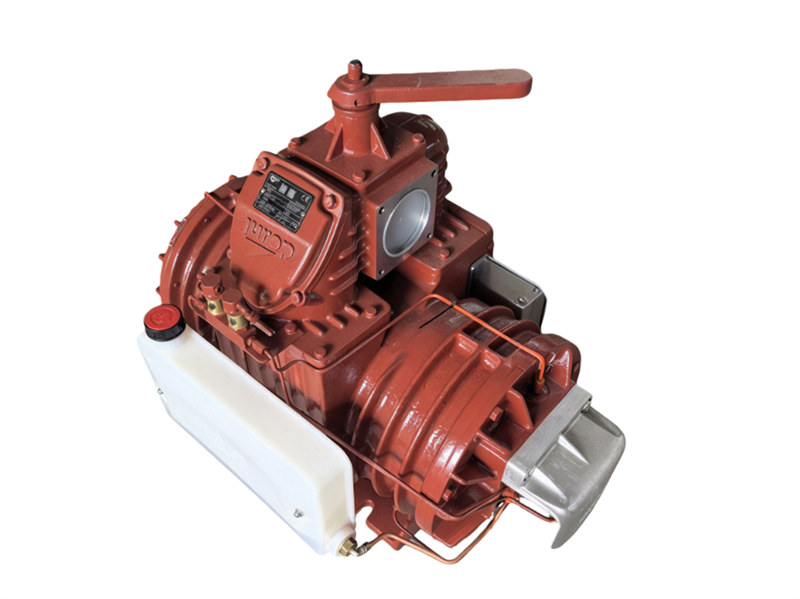
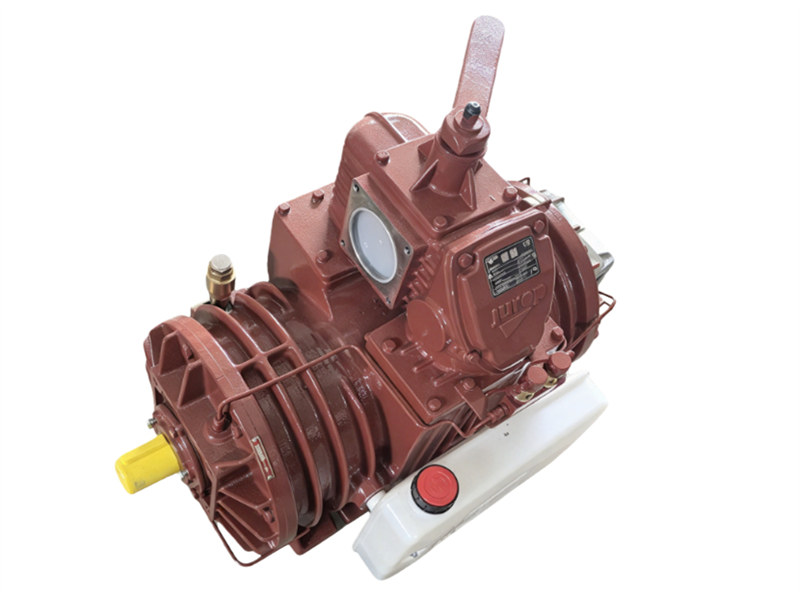
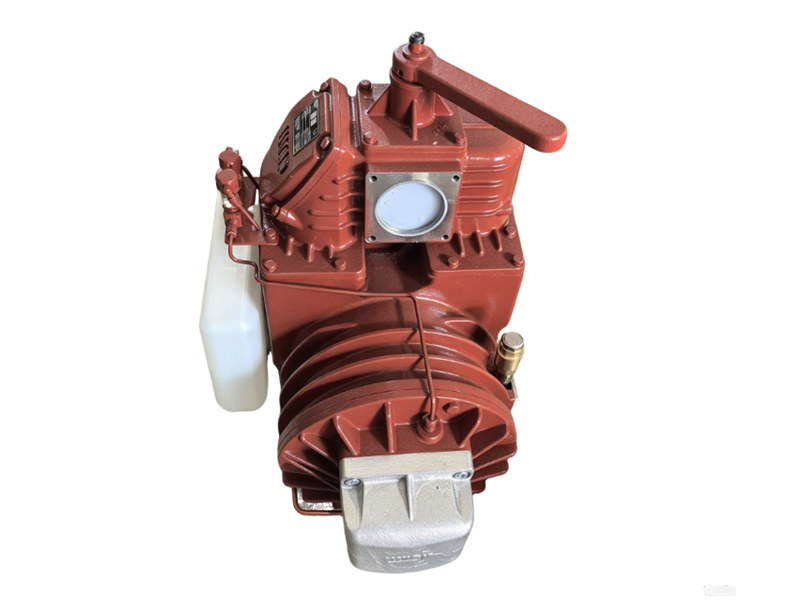
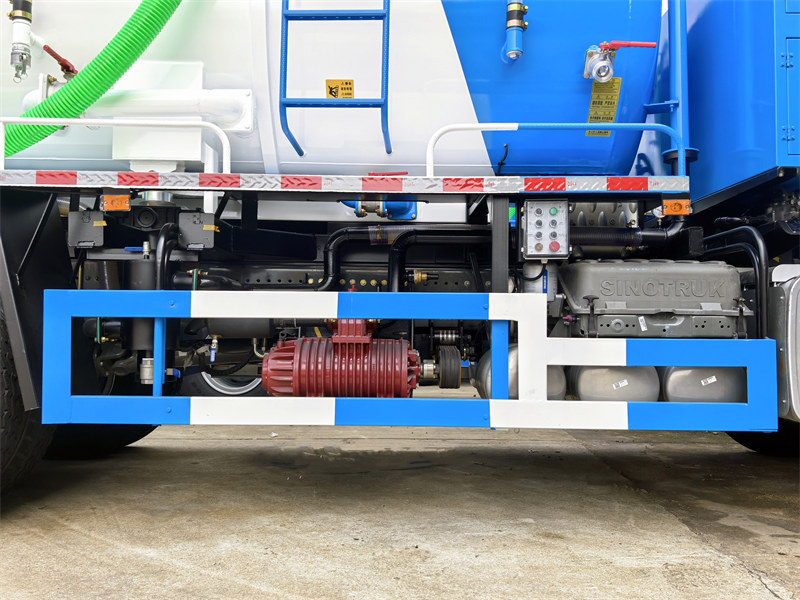
Jurop is a renowned international brand in the field of sanitation and fluid-handling equipment. Its rotary vane vacuum pumps are widely used in regions including Europe, the Middle East, Africa, and Southeast Asia, powering vehicles such as vacuum trucks, septic tank cleaners, sludge transport vehicles, sewer cleaning trucks, and various industrial vacuum suction systems.
 |
 |
 |
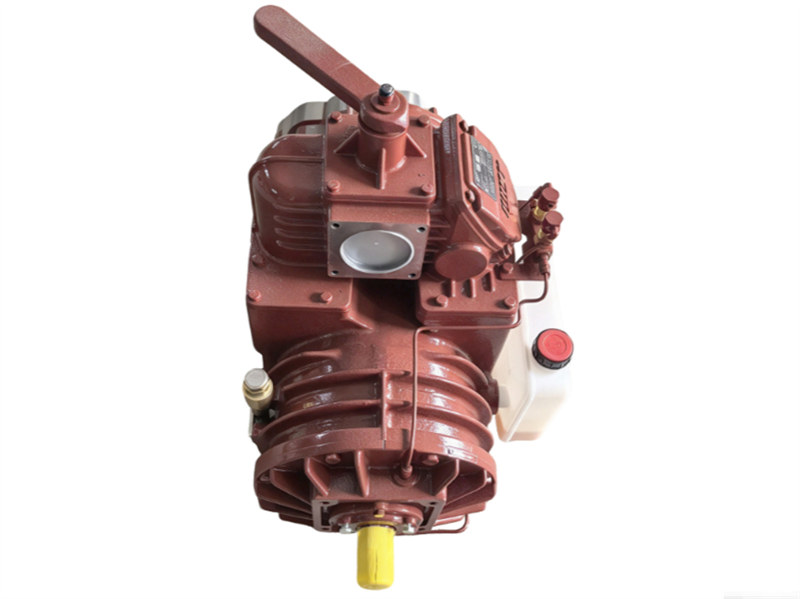 |
These oil-lubricated, rotary vane positive displacement vacuum pumps operate by utilizing the high-speed rotation of a rotor and vanes to continuously evacuate air from a sealed tank, creating a stable negative pressure. This pressure differential enables the self-priming and discharge of sewage, sludge, waste, and solid-liquid mixtures. They are extensively deployed in applications such as municipal sanitation, the removal of waste from livestock farms, the extraction of drilling mud in oilfields, and the collection of wastewater at construction sites.
The product series is characterized by a compact design, smooth operation, high vacuum capacity, and ease of maintenance. Each pump features an integrated, independent lubrication reservoir. The robust, compact construction offers excellent vibration resistance,making them well suited for the demanding, high vibration conditions encountered by vehicle-mounted equipment. Consequently, they are a preferred choice for vehicle upfitters and sanitation equipment distributors in international markets.
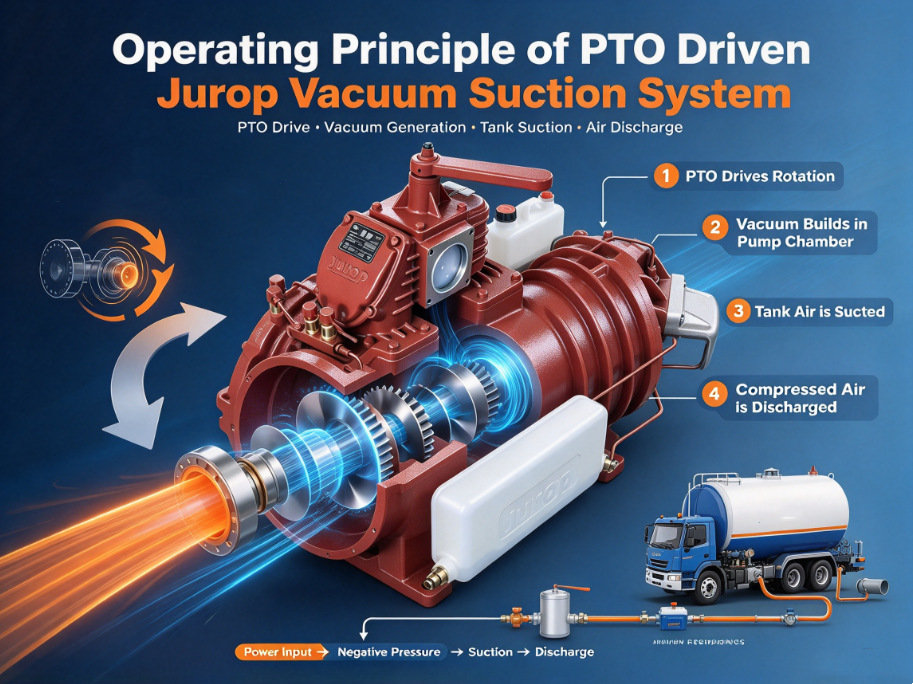
✦ Why Choose Jurop Rotary Vane Vacuum Pumps for Suction Trucks?
In sanitation and vacuum suction operations, a vacuum pump must not only possess high air-suction capacity but also be capable of withstanding the vibrations, temperature fluctuations, frequent start-stop cycles, and continuous duty requirements inherent to vehicle-mounted applications.
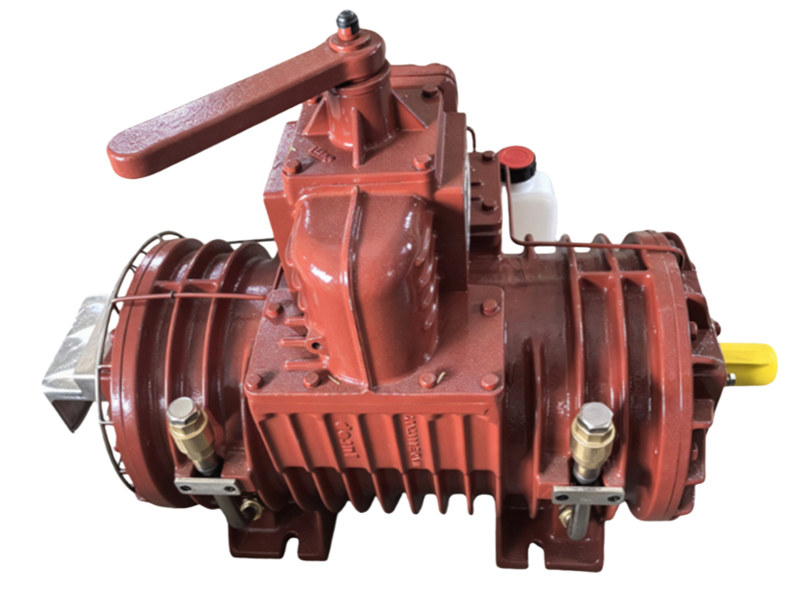
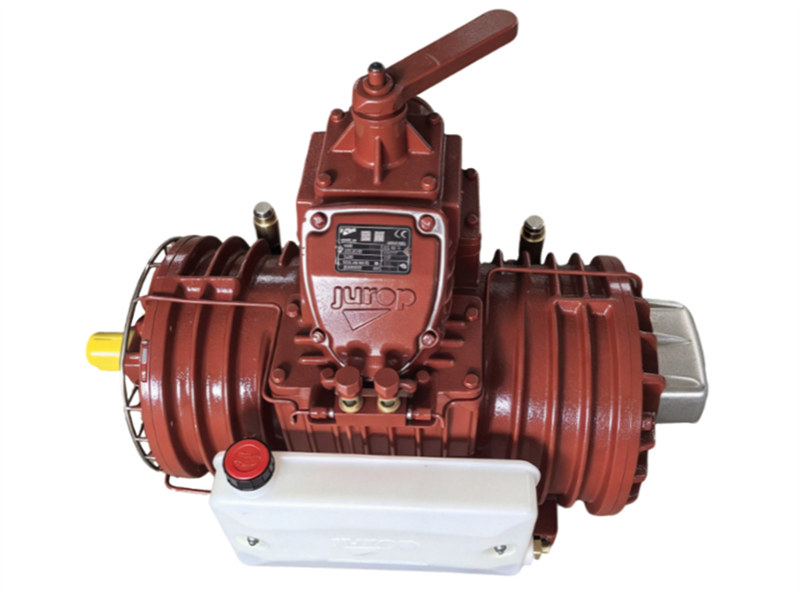
The advantages of the Jurop series of vacuum suction pumps include the following:
✅ High Vacuum Output: Capable of rapidly generating negative pressure within the tank, thereby increasing the suction speed for sewage, sludge, and waste.
✅ Robust Construction for Vehicle Mounting: The pump features a compact, highly rigid design, enabling it to endure the vibrations and mechanical shocks encountered during vehicle transit and operation.
✅ Smooth Operation and Effective Noise Control: As positive displacement rotary vane pumps, they operate via stable rotor movement, resulting in minimal airflow pulsation,which helps reduce vibration and noise throughout the vehicle’s piping system.
✅ Ease of Maintenance: Key components such as rotary vanes, oil seals, and gaskets offer excellent interchangeability, simplifying spare parts management and after-sales support in international markets.
✅ Broad Range of Specifications: Available in various power ratings to suit different tank capacities and operational requirements, covering everything from small sanitation vehicles to large-scale vacuum tanker trucks.
✦ Main Structural Components of Jurop Vacuum Suction Pumps
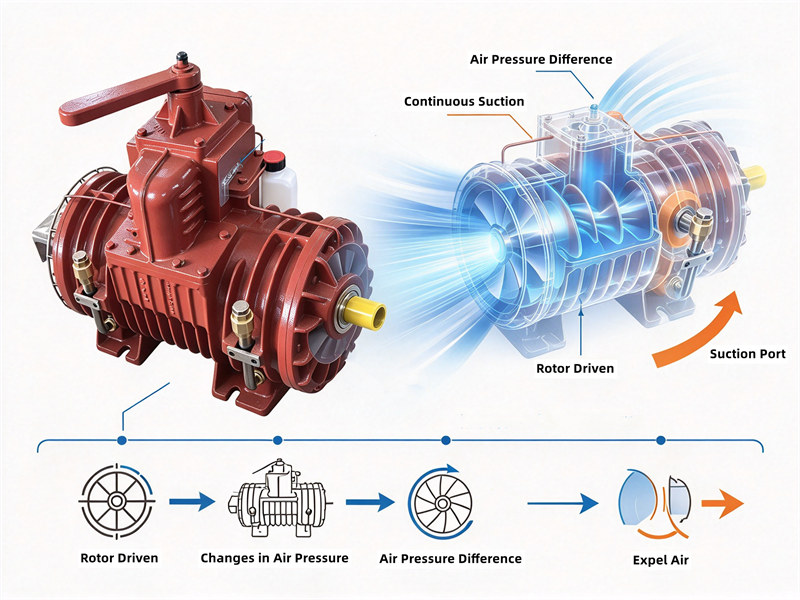
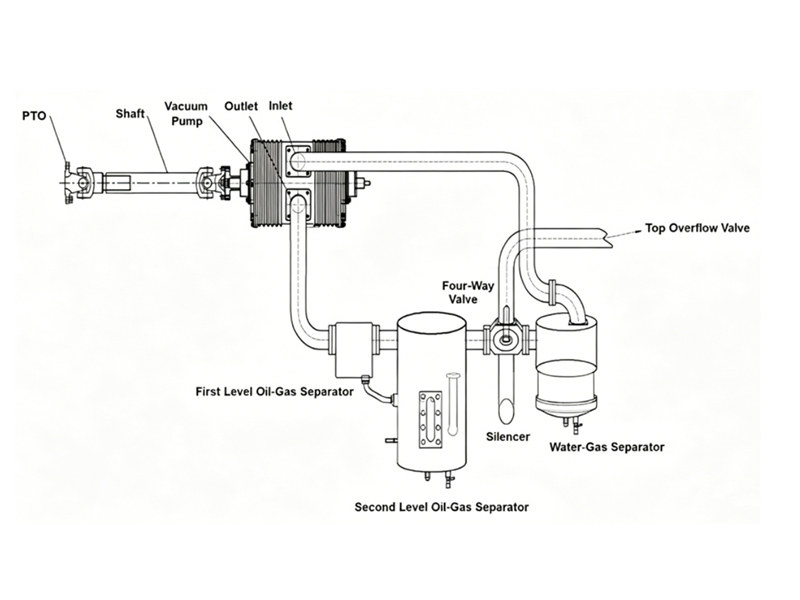
1. Pump Body Assembly:
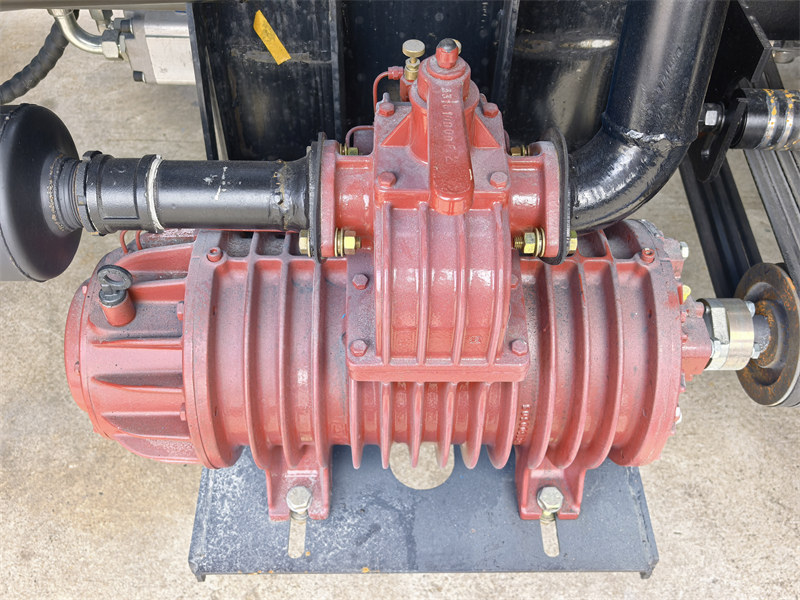
The pump body is made of cast iron, featuring a robust structure with excellent impact resistance and wear resistance. The housing typically incorporates heat-dissipation features to help regulate the pump's temperature during continuous operation.
2. Rotor and Vane Assembly:
The rotor is the primary moving component of the pump, with vanes installed within slots on the rotor. During operation, the vanes rotate along with the rotor, maintaining close contact with the inner wall of the pump chamber to create sealed cavities that undergo periodic volume changes.
3. Intake and Exhaust Ports:
The intake port connects to the tank or piping system, while the exhaust port is used to discharge compressed air. The positioning and diameter of these ports directly influence the pump's suction efficiency and the system's response speed.
4. Exhaust Valve Assembly:
The exhaust valve regulates the timing of compressed gas discharge, preventing the backflow of high-pressure gas and ensuring the proper buildup of pressure within the pump chamber.
5. Safety Valves and Pressure Protection Devices:
To prevent the tank and pump body from being subjected to excessive negative pressure or pressure surges over extended periods, the system is typically equipped with safety valves, pressure switches, or overflow protection devices.
6. Lubrication System:
Jurop series pumps generally utilize an independent oil lubrication system. The lubricating oil serves to lubricate, seal, and cool the vanes, bearings, and the interior of the pump chamber.
7. Drive Connection Interface:
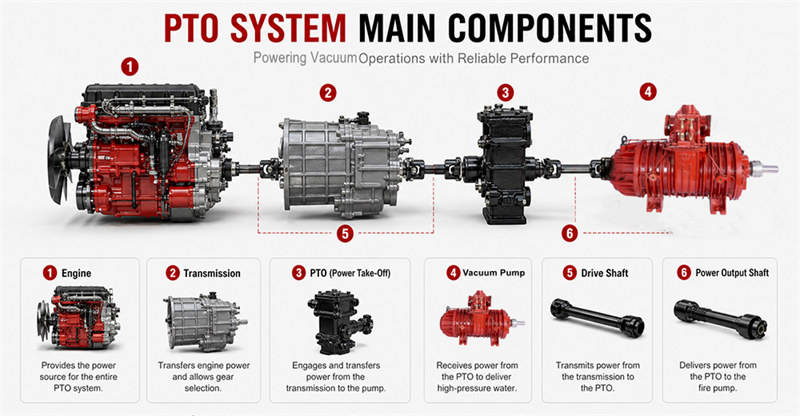
The pump's drive shaft can be connected to the vehicle chassis power source via a power take-off (PTO), coupling, pulley, or hydraulic motor, allowing for compatibility with various vehicle configurations.
|
Item |
Jurop PN 130 |
Jurop PN 140 |
Jurop PN 155 / PN 155R |
|
Type |
Oil-lubricated rotary vane vacuum suction pump |
Oil-lubricated rotary vane vacuum suction pump |
Oil-lubricated rotary vane vacuum suction pump |
|
Theoretical Pumping Speed |
65 m³/h |
80 m³/h |
100 m³/h |
|
Ultimate Vacuum Level |
≥0.095 MPa |
≥0.095 MPa |
≥0.093 MPa |
|
Recommended Operating Speed |
500–800 r/min |
500–750 r/min |
450–700 r/min |
|
Compatible Chamber Volume |
3–7m³ |
8–12 m³ |
12–18 m³ |
|
Inlet/Outlet Diameter |
DN50 |
DN65 |
DN80 |
|
Net Weight |
115 kg |
142 kg |
175 kg |
|
Cooling Method |
Air-cooled |
Air-cooled |
Air-cooled |
|
Drive Type |
Direct PTO connection + belt drive |
Direct PTO connection + belt drive |
Direct PTO connection + belt drive |
|
Suitable Media |
Sewage, fecal waste, and sludge |
Sewage, fecal waste, and sludge |
Sewage, fecal waste, and sludge |
✦ Core Operating Principle:
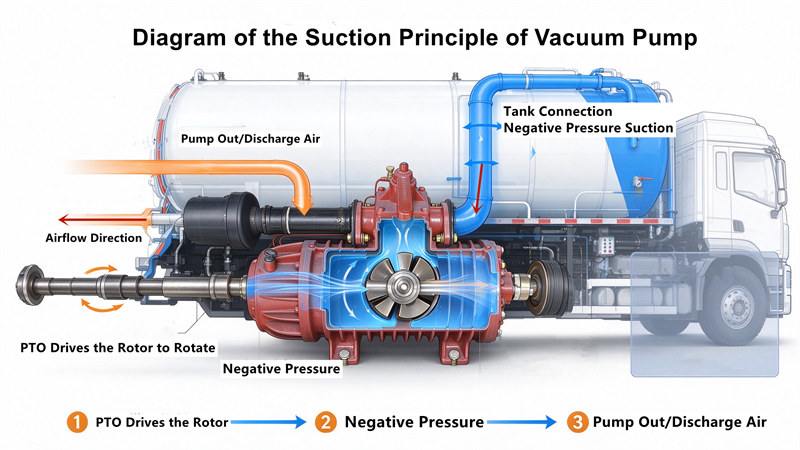
The Jurop rotary-vane vacuum pump operates based on a rotor-and-vane configuration. It achieves the suction, compression, and discharge of air by periodically varying the volume of the pump chamber.
1. Suction Phase: The drive shaft rotates the rotor at high speed. Driven by centrifugal force and the pump’s internal geometry, the vanes remain in close contact with the inner wall of the pump chamber, dividing it into several independent compartments. As the volume of the compartments near the suction port increases, the internal pressure drops, drawing air from the tank and piping into the pump chamber.
2. Compression Phase: As the rotor continues to rotate, the volume of the compartments decreases, compressing the intake air and causing its pressure to rise.
3. Discharge Phase: Once the pressure of the compressed gas reaches a specific threshold, the discharge valve opens, allowing the gas to exit the pump body through the exhaust passage.
4. Cyclic Pumping: The continuous high-speed rotation of the rotor ensures that this process repeats, creating and maintaining a stable negative pressure within the sealed tank, which draws external media into the tank.
5. Reverse Discharge: When the contents of the tank need to be emptied, a reversing mechanism or pneumatic valve can alter the airflow path. This allows the vacuum pump to deliver compressed air into the tank, creating positive pressure to facilitate discharge.
6. Role of Lubricating Oil:
♦ Sealing: Enhances the seal between the vanes and the pump chamber walls.
♦ Lubrication: Reduces friction and wear among the rotor, vanes, and bearings.
♦ Cooling: Dissipates heat generated during the compression process, ensuring stable operation during continuous use.
✦ Installation, Operation, and Maintenance Recommendations:
✅ Installation Requirements
The pump body must be secured to a base or support frame with sufficient rigidity.
Ensure proper coaxial alignment between the drive shaft, the power take-off (PTO) unit, and any couplings.
Minimize sharp bends and excessive lengths in the inlet and outlet piping to reduce flow resistance.
It is recommended to install a filter screen or separator at the intake side to prevent large particulate impurities from entering the pump chamber.
✅ Lubrication Requirements
Use specialized vacuum pump oil.
Do not substitute with standard engine oil or hydraulic oil.
In high-temperature environments, select vacuum pump oil suitable for the local ambient temperature.
Check the oil level before each operation and top it up if it is too low.
✅ Routine Inspections
Inspect the pump body for any oil or air leaks.
Listen for any abnormal noise or vibration during operation.
Verify that the vacuum gauge readings are within the normal range.
Check the color and cleanliness of the lubricating oil.
Ensure that valves, safety valves, and pipe connections are secure and not loose.
✅ Maintenance Intervals
Check the oil quality and level after the initial period of use.
Under normal operating conditions, perform oil changes periodically as specified by the manufacturer.
Replace wear parts such as rotary vanes and oil seals promptly, based on usage frequency and the extent of wear.
Shorten maintenance intervals if the equipment is operated in dusty or high-temperature environments, or under continuous-duty conditions.

Whatsapp : +86 13647297999
Email : tom@ceectrucks.com
Tel : +86 13647297999


